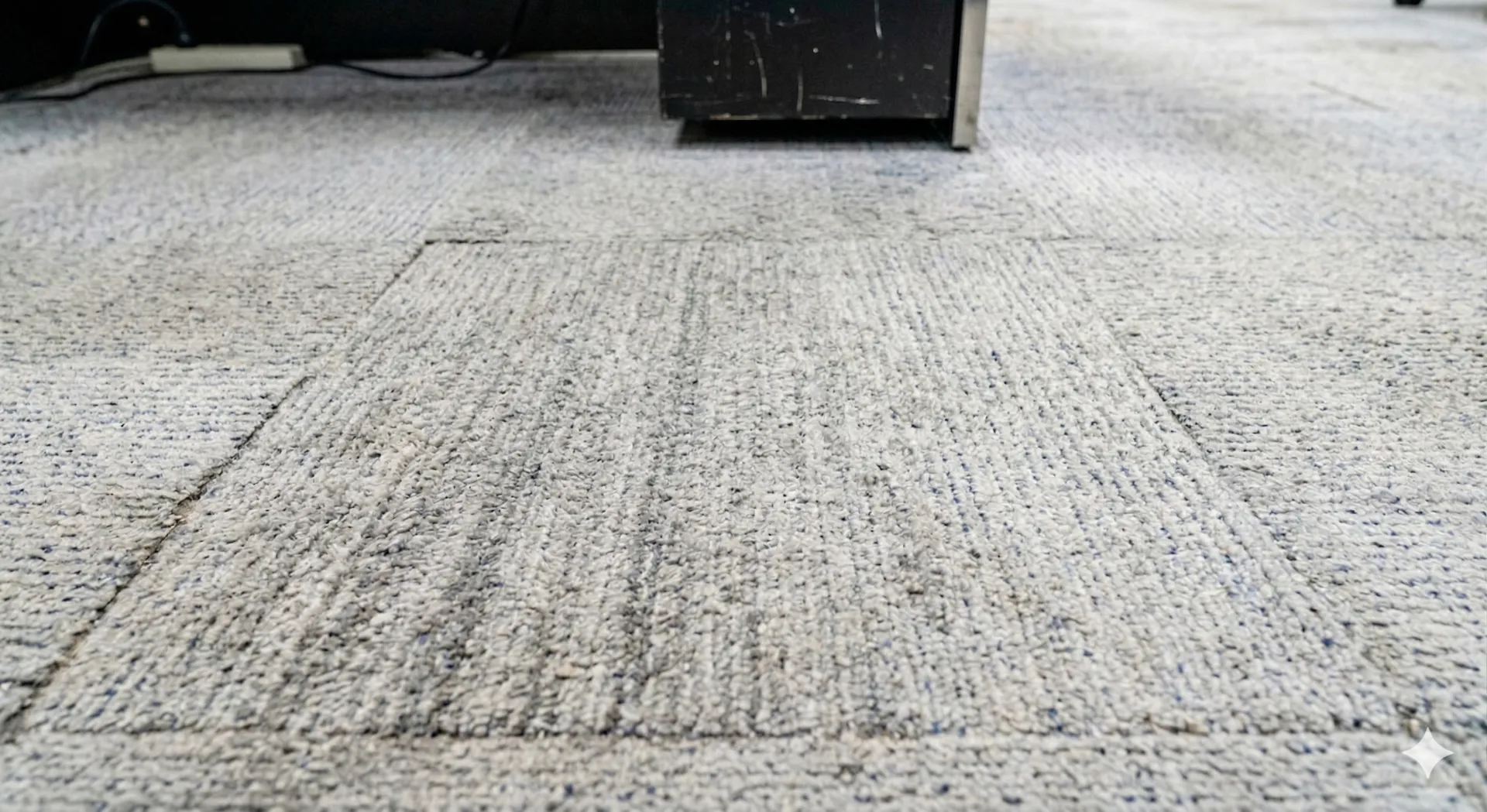
Condition record
Visible result / common-area carpet
Strata & Over-55s Communities
Test restoration before funding replacement.
Assess embedded grit, residue, and visible wear; then compare a restoration plan with the capital cost of replacement.
The strata asset problem
Traditional cleaning accelerates the damage.
Standard cleaning treats the surface while grit and residue keep degrading the asset underneath. A diagnostic audit tests whether deeper restoration is commercially sensible.
The problems you face
Sinking fund depletion
Premature carpet replacement drains the capital reserves needed for critical building improvements.
Slip hazard liability
Detergent residue and embedded soil can reduce traction on pool decks and common areas.
Weak maintenance records
Without clear condition and service records, committees struggle to compare options.
Owner complaints
Visible carpet deterioration and persistent odours affect amenity and property values.
The Bonza Clean solution
180°C thermal reset
Loosens residue and embedded material while supporting carpet-pile restoration.
Supports a five-to-ten-year replacement-deferment model
Residue removal
Cleans textured surfaces toward their original slip-resistance properties.
Formal slip testing remains a separate qualified service
Deep grit extraction
High-speed extraction removes the abrasive particles that destroy carpet fibres.
Prevents premature wear patterns
Service documentation
Records treatment areas, photographs, and completion notes for property files.
Gives the committee evidence of work completed
Interactive tool
Strata sinking-fund impact calculator
Compare a replacement budget with a conditional technical-reset scenario. This planning model is not a quote or guaranteed outcome.
Your complex details
Replacement budget modelled
$600,000Financial breakdown
- Total replacement cost
- $600,000
- Technical-reset range (5-8%)
- $30,000-$48,000
- Midpoint allowance (6.5%)
- $39,000
- Capital retained at midpoint
- $561,000
Documentation
A service record your committee can review.
Documentation records the work Bonza Clean performs. Formal slip-resistance testing, certification, or insurer approval requires the relevant qualified third party.
- Scope and location
- Areas included in the service are identified so the committee can match work to scope.
- Condition photographs
- Before and after photographs provide a practical record of visible condition.
- Treatment record
- Equipment, treatment areas, and completion notes are recorded for property files.
- Handover notes
- Outstanding concerns and recommended maintenance are stated without certifying tests we did not perform.
Job evidence
Show the committee what the service changed.
A restoration decision should rely on the condition at your property. We document the starting point, completed work, and visible result instead of asking committees to trust an unrelated case study.
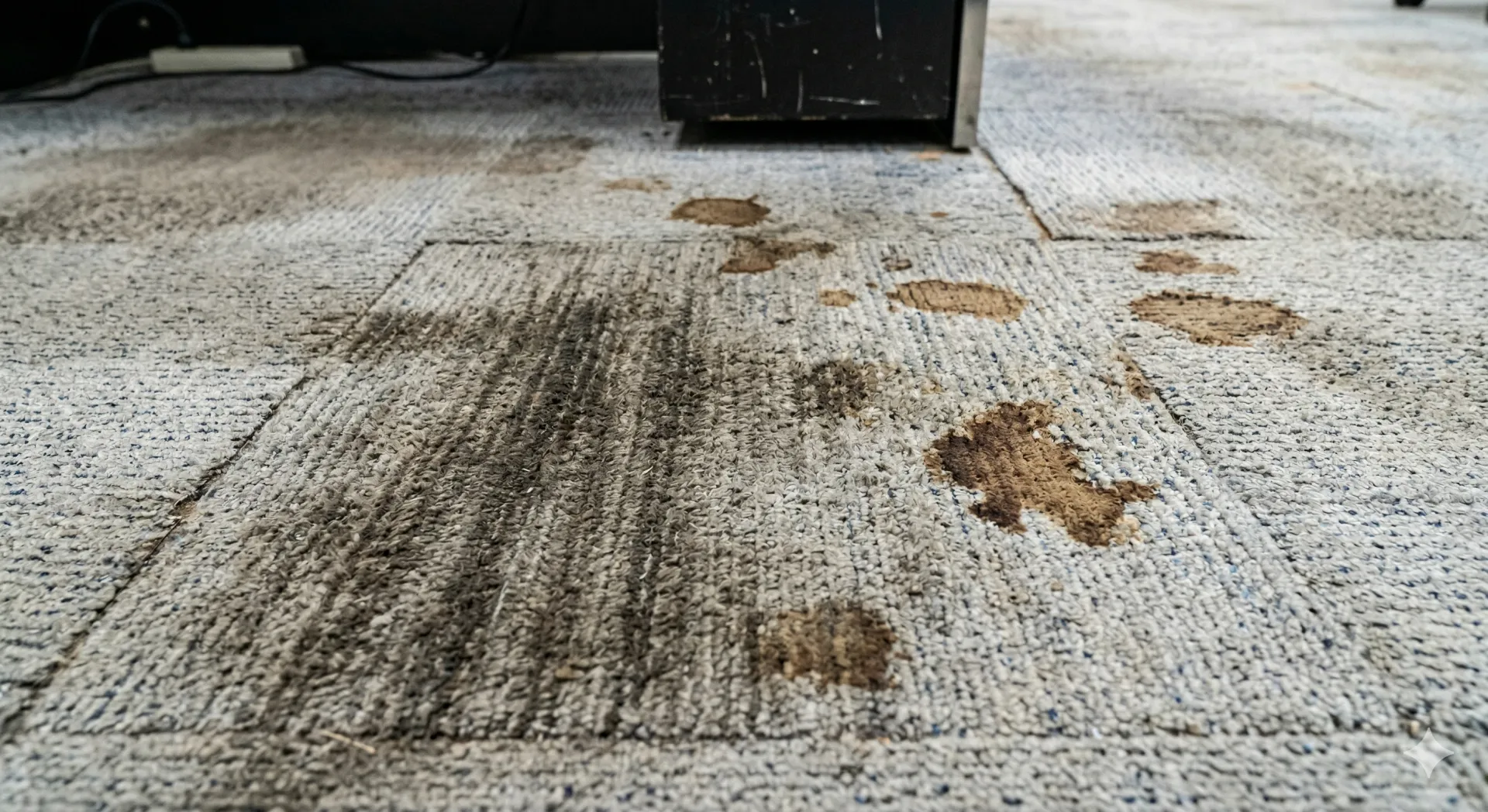 01 / Before02 / After
At a glance
- Service areas
- South West Rocks, Crescent Head, Hat Head, Kempsey, Macksville, Nambucca Heads
- Phone
- 1800 266 922
- Approach
- 180°C chemical-free thermal sanitisation
- Planning model
- 5–10 year replacement deferment
Is thermal steam cleaning safe for strata common-area carpets and pool decks?
Bonza Clean first assesses the substrate and selects a suitable low-moisture method. The 180°C dry-steam system can remove embedded soil from carpets, pool decks and tiled surfaces without leaving detergent residue. Formal slip-resistance testing, when required, must be completed by a qualified third party.
How can thermal restoration support strata capital planning?
A restoration assessment compares maintaining a serviceable surface with replacing it. Bonza Clean uses a 5–10 year replacement-deferment model to help committees test sinking-fund timing, then records the work completed. It does not replace a valuation, engineering report or insurer assessment.
Will cleaning disrupt residents in an over-55s community?
Work can be scheduled zone by zone to keep disruption contained. Low-moisture treatment reduces drying time, while access and re-entry remain subject to the site plan, surface condition and technician instructions.
See what’s really in your substrates.
Request a no-obligation substrate diagnostic audit. We’ll inspect the condition, define a treatment scope, and explain the commercial assumptions before you proceed.
Your free audit includes
- Current-condition review
- Replacement-deferment model
- Photographic service scope
- Committee-ready recommendations